
Poetry Rhyming Patterns Examples
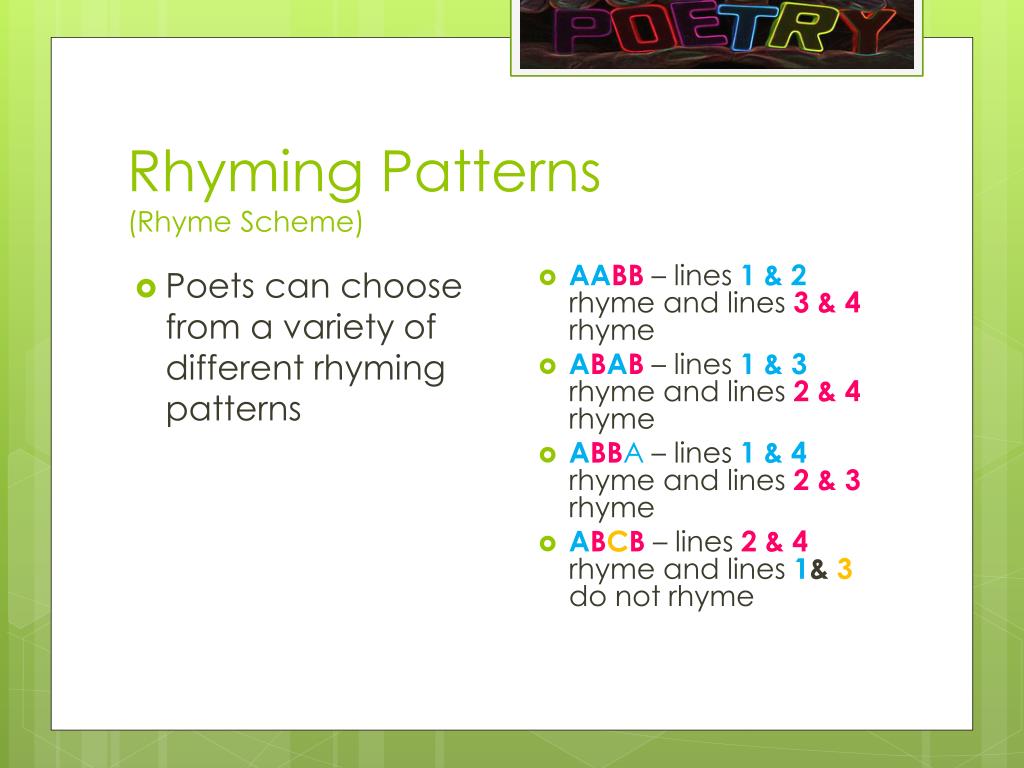
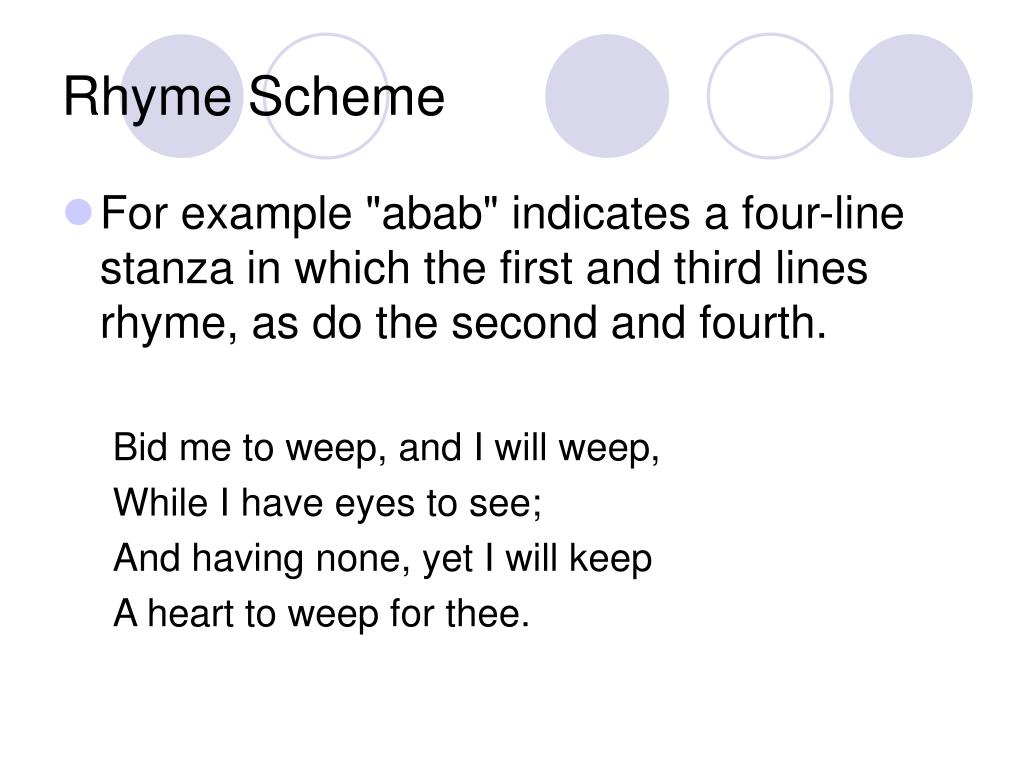
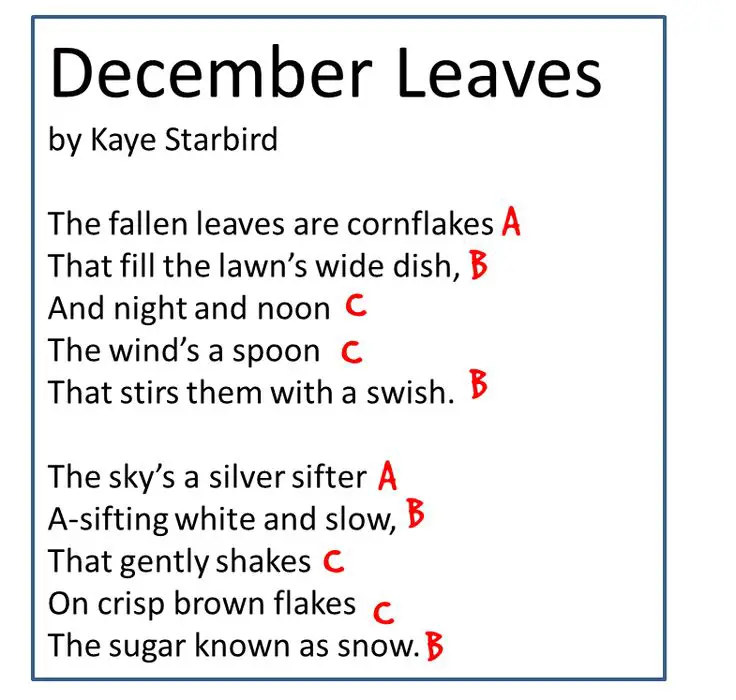
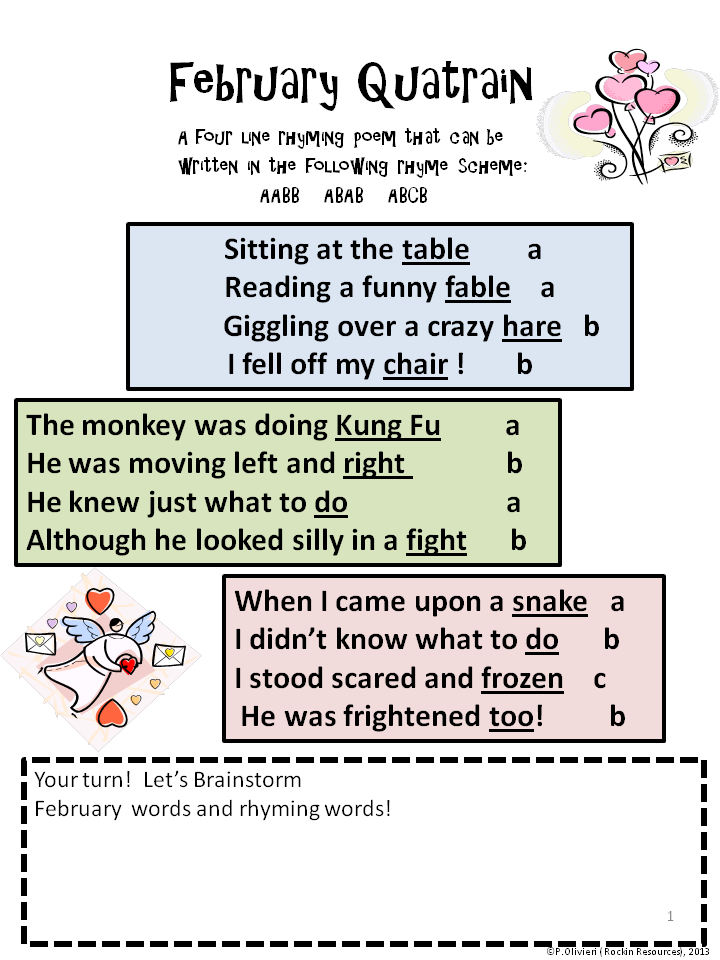
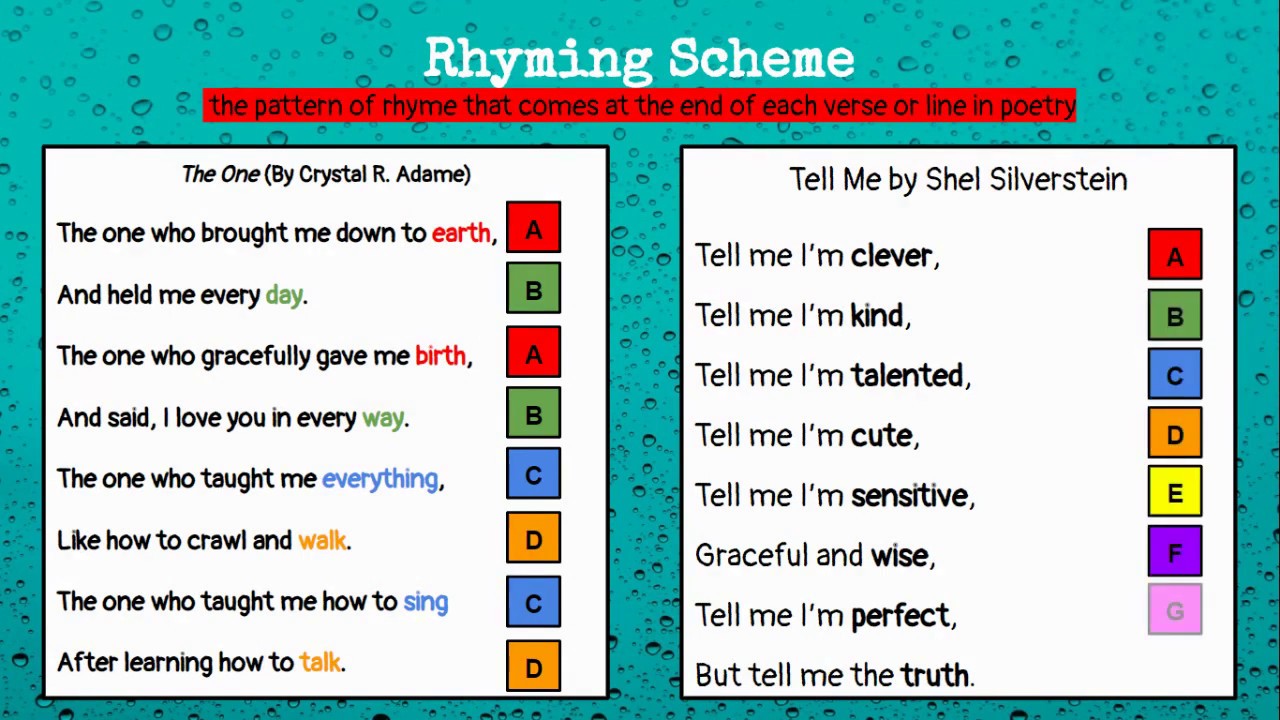
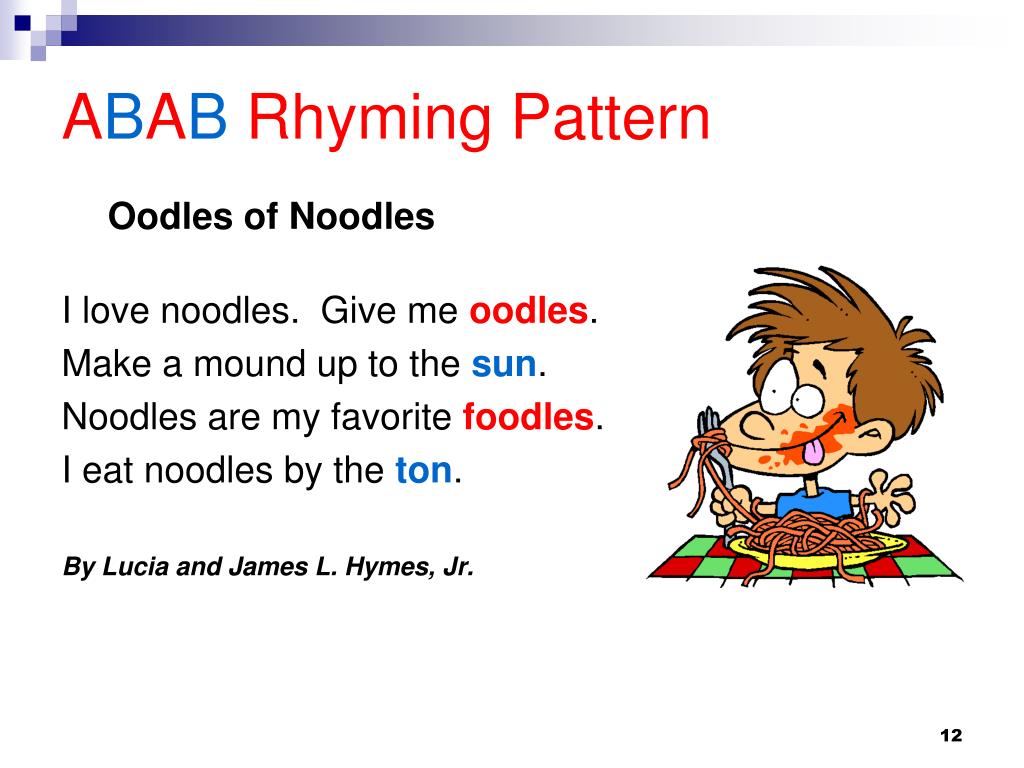
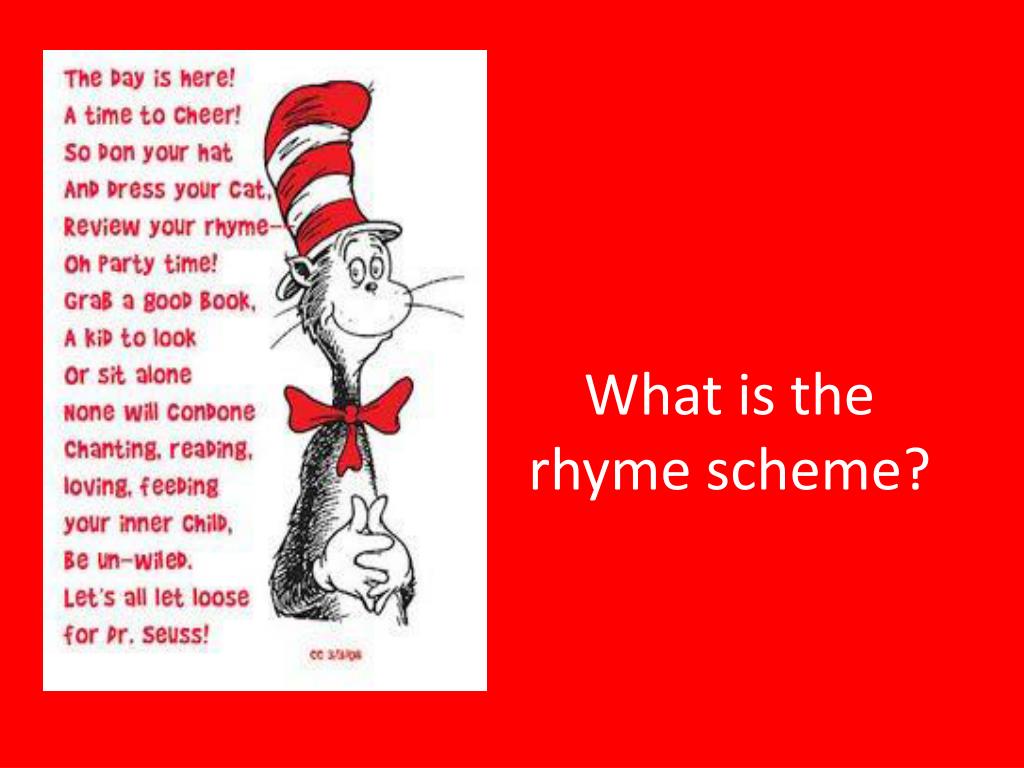
Poetry Rhyming Patterns Examples - Web the pattern the writer uses to rhyme a poem is known as the rhyme scheme. An aabb rhyme scheme is a pattern where pairs of lines rhyme with each other consecutively (the first line rhymes with the second, and the third with the fourth). For example, the words “measles” and “weasels.”. The sky is very sunny. Jack fell down and broke his crown, and jill came tumbling after.’. See “midstairs” by virginia hamilton adair: Web a rhyme scheme is the ordered pattern of rhyming words at the end of each line of a poem. Web a rhyme scheme is the set of letters that represent the rhyming pattern of a poem. For example, if the first line rhymes with the third line, we indicate those sounds with an a. Rhyming poetry takes this to the next level, as one word selected to end a particular line may affect a word selection on a subsequent line. If an end sound repeats the end sound of an earlier line, it gets the same letter as the earlier line. (a) under the tree we sit, (b) but just for a bit. For example, the words “measles” and “weasels.”. See “midstairs” by virginia hamilton adair: Rhyming poetry takes this to the next level, as one word selected to end a particular line may affect a word selection on a subsequent line. Each new sound at the end of a line is given a letter, starting with “a,” then “b,” and so on. Rhyme schemes are one of the most popular poetry features! Web by now, you should understand what poetry rhyming schemes are and how they can be used to weave words into beautiful verses. An aabb rhyme scheme is a pattern where pairs of lines rhyme with each other consecutively (the first line rhymes with the second, and the third with the fourth). We call these “letter variables,” and we use capital letters to indicate which lines rhyme with each other. Jack fell down and broke his crown, and jill came tumbling after.’. This pattern is labeled using capital letters, such as the common abab rhyme scheme, or aba bcb cdc ded ee for a terza rima, or ababbcbc for a ballade. This rhyme form features two words that share the exact assonance and number of syllables, and is also known. Web the pattern the writer uses to rhyme a poem is known as the rhyme scheme. Web for example, ‘jack and jill went up the hill, to fetch a pail of water. Web a rhyme scheme is the set of letters that represent the rhyming pattern of a poem. Using traditional rhyming patterns on children’s book. Rhyme schemes are described. Rhyming poetry takes this to the next level, as one word selected to end a particular line may affect a word selection on a subsequent line. The sky is very sunny. As poetry evolved, so did the traditional rhyming patterns. Rhyme schemes are described using letters of the alphabet, such that all the lines in a poem that rhyme with. This pattern is labeled using capital letters, such as the common abab rhyme scheme, or aba bcb cdc ded ee for a terza rima, or ababbcbc for a ballade. A ballad is a narrative poem traditionally set to music and passed down orally. Web rhyme schemes are the specific patterns a poem follows at the end of each line. Let’s. Web one of the most common ways to write a rhyming poem is to use a rhyme scheme composed of shared vowel sounds or consonants. Rhymes that appear in the middle of lines rather than at the end of lines. There are many different types of rhymes that poets use in their work: The sky is blue (a) the clouds. Jack fell down and broke his crown, and jill came tumbling after.’. Web there are many different ways writers might use rhyme in their poetry. Web a rhyme scheme (also known as a rhyme pattern) involves using rhyming words at the end of lines to follow a pattern of ending sounds throughout the poem. Web a “rhyme scheme” is a. This pattern is simple and easy to remember, making it perfect for children’s rhymes. Web the rhyme scheme definition is a deliberate structural pattern in poetry where the words at the end of individual lines within a poem stanza are intentionally rhymed with words at the end of other lines within the same stanza. Internal rhymes, slant rhymes, eye rhymes,. Web for example, ‘jack and jill went up the hill, to fetch a pail of water. Lines designated with the same letter all rhyme with each other. Remember, these patterns, like abab, abba, or the imperfect rhyme scheme, are just tools to help you express your thoughts and feelings more effectively. Web a rhyme scheme (also known as a rhyme. Web a rhyme scheme is the ordered pattern of rhyming words at the end of each line of a poem. Rhyme schemes are one of the most popular poetry features! Web rhyme schemes are the specific patterns a poem follows at the end of each line. The following list identifies the most common types of poetry: Web there are many. Web by now, you should understand what poetry rhyming schemes are and how they can be used to weave words into beautiful verses. Using traditional rhyming patterns on children’s book. Web the rhyme scheme definition is a deliberate structural pattern in poetry where the words at the end of individual lines within a poem stanza are intentionally rhymed with words. As poetry evolved, so did the traditional rhyming patterns. This pattern is labeled using capital letters, such as the common abab rhyme scheme, or aba bcb cdc ded ee for a terza rima, or ababbcbc for a ballade. Jack fell down and broke his crown, and jill came tumbling after.’. If an end sound repeats the end sound of an earlier line, it gets the same letter as the earlier line. Not all poems follow a rhyme scheme, but for those that do, there are different patterns each stanza follows. The characteristics of a poem, which consist of its line length, number of stanzas, rhyme scheme, and metric pattern, determine its form. A rhyme between the final stressed syllables of two lines. The following list identifies the most common types of poetry: Between passion and doubt, i pause and say a double prayer, one for you, and one for you; Poetry treats language as an art form. Web a rhyme scheme is the set of letters that represent the rhyming pattern of a poem. The first and third lines of a stanza rhyme, and the second and fourth lines rhyme, abab. Web a rhyme scheme (also known as a rhyme pattern) involves using rhyming words at the end of lines to follow a pattern of ending sounds throughout the poem. It is usually referred to by using letters to indicate which lines rhyme; Web so poems which do rhyme do so often for a good reason, just as poems which are rhymeless do without rhyme for a reason. Using traditional rhyming patterns on children’s book.
Types Of Rhyme Patterns

AABB Rhyme Scheme and Rhyming Pattern Examples
PPT Elements of Poetry PowerPoint Presentation, free download ID
PPT Rhyme & Rhyme Scheme PowerPoint Presentation, free download ID

AABB Rhyme Scheme (and Rhyming Pattern Examples)
Rhyme scheme Poems
How To Write A Lyric Poem Rhyme Scheme
What Is Rhyming Pattern In A Poem
PPT Understanding Poetry PowerPoint Presentation, free download ID
PPT Rhyme Scheme the pattern of rhymes used in a poem, usually
Let’s Take A Look At Some Of The Best Poems Which Utilise Rhyme, And Explore Why They Might Be Doing So.
Internal Rhymes, Slant Rhymes, Eye Rhymes, Identical Rhymes, And More.
A Ballad Is A Narrative Poem Traditionally Set To Music And Passed Down Orally.
Each New Sound At The End Of A Line Is Given A Letter, Starting With “A,” Then “B,” And So On.
Related Post: