
Moire Patterns In Photography
Moire Patterns In Photography - With two separate patterns overlaid on top of each other, a third, false pattern emerges in the form of “moiré pattern”. Web moiré patterns appear in many situations. In this article, we’ll take a closer look at what causes moiré, how to avoid it, and how to remove it. Web basically, moiré is an effect that happens when you combine two different fine patterns. Zoom in and notice if there are any unusual colors or distortions in the details. Proceedings of the ieee/cvf international conference on computer vision. The impact of moiré patterns remains largely unexplored for deepfake detectors. It is commonly seen in photography and printing. Our findings reveal a significant decline in detector accuracy, with none achieving above 68% on average. In the video, it’s the pattern on the model’s shirt, combined with the pattern of pixels in the camera. Moiré affects image quality by causing wavy lines and distortion in patterns. Web moiré patterns appear in many situations. Web moiré is an interference pattern. In photography many times it is noticed on the fine detail of a woman's clothing, or a repetitive pattern in architecture. I personally think the effect is similar to the way oil (or an oily substance) looks when dipped in water. Web understanding moiré in photography and how to avoid it. Web the moiré effect is an effect that occurs in photography when repetitive lines, colors, or dots appear throughout the image. During your photo shoot, take a few test shots of your subject. Web moiré patterns or fringes are interference patterns when a fine pattern with very slight gaps like lines, dots, concentric circles, curves, etc., are overlaid on another fine pattern that may have similar characteristics, patterns, or even different patterns. Getting rid of such an effect isn't an easy task that can cause quite a lot of trouble for a photographer. Web moiré is an interference pattern. Web we photograph your iris and turn it into your personal art. Web in essence, moiré occurs when two patterns are overlaid and result in a new, third pattern. Web moiré pattern is a visually striking effect created when two similar patterns are overlaid. Web basically, moiré is an effect that happens when you. Proceedings of the ieee conference on computer. Web when taking pictures of intricate repetitive patterns such as grid lines, embroidery, fine cloth or other geometric shapes (such as when taking pictures of architecture with numerous columns or pillars) one can face the problem of moiré. With two separate patterns overlaid on top of each other, a third, false pattern emerges. Moiré can be caused by a scene that contains areas with repetitive detail which exceed the resolution of the camera. Below we elaborate on what causes moiré in photography, and the different ways you can detect, avoid, and remove it. Web basically, moiré is an effect that happens when you combine two different fine patterns. Web in photography, moiré happens. Moiré can be caused by a scene that contains areas with repetitive detail which exceed the resolution of the camera. Web usually undesired and unintentional, moiré (or the moiré effect or moiré pattern) refers to unusual and repetitive lines, dots, or colors that show up in images with fine detail. This interference produces an unwanted pattern that can be visible. Web usually undesired and unintentional, moiré (or the moiré effect or moiré pattern) refers to unusual and repetitive lines, dots, or colors that show up in images with fine detail. With digital photography, these artifacts result when the frequency of detail in a scene exceeds the sensor's pixel pitch and ability to resolve “real” information. Web moire is a complex. Web moiré is an optical phenomenon that often appears in photography and video. Proceedings of the ieee/cvf international conference on computer vision. Web one of the most effective ways to avoid moiré patterns in photography is to look for moire intentionally. With digital photography, these artifacts result when the frequency of detail in a scene exceeds the sensor's pixel pitch. Moiré affects image quality by causing wavy lines and distortion in patterns. Web moiré is an interference pattern. In this article, we’ll take a closer look at what causes moiré, how to avoid it, and how to remove it. Web moiré pattern is a type of interference pattern caused by the overlap of two or more grids. Web moiré patterns. Web moiré patterns or fringes are interference patterns when a fine pattern with very slight gaps like lines, dots, concentric circles, curves, etc., are overlaid on another fine pattern that may have similar characteristics, patterns, or even different patterns. In television and digital photography, a pattern on an object being photographed can interfere with the shape of the light. During. In the video, it’s the pattern on the model’s shirt, combined with the pattern of pixels in the camera. This interference can cause a wavy or distorted pattern to appear in the image. In printing, the printed pattern of dots can interfere with the image. View tree life disney s animal kingdom orlando florida. Web the oldest examples of moire. Web mop moire patterns using mopnet. I personally think the effect is similar to the way oil (or an oily substance) looks when dipped in water. In printing, the printed pattern of dots can interfere with the image. Web moiré patterns appear in many situations. It can occur in various situations, like photographing subjects with fine repetitive patterns or printing. Web mop moire patterns using mopnet. Web learn more about professional boudoir photography services offered by agata powers, an award winning boudoir photographer in orlando fl. Adjusting camera settings and angles can help avoid moiré while shooting. Web one of the most effective ways to avoid moiré patterns in photography is to look for moire intentionally. Proceedings of the ieee/cvf international conference on computer vision. Web when taking pictures of intricate repetitive patterns such as grid lines, embroidery, fine cloth or other geometric shapes (such as when taking pictures of architecture with numerous columns or pillars) one can face the problem of moiré. Web the moiré effect is an effect that occurs in photography when repetitive lines, colors, or dots appear throughout the image. It can occur in various situations, like photographing subjects with fine repetitive patterns or printing images with intricate designs. Web moiré patterns are secondary and visually evident superimposed patterns created when two identical (partly transparent) patterns on a flat or curved surface that are displaced or shifted and overlaid from each other. Getting rid of such an effect isn't an easy task that can cause quite a lot of trouble for a photographer. Web in photography, moire can occur when an image contains a repeating pattern that interferes with the sensor’s regular pattern of pixels. Web moiré pattern is a type of interference pattern caused by the overlap of two or more grids. In photography many times it is noticed on the fine detail of a woman's clothing, or a repetitive pattern in architecture. Moiré can be caused by a scene that contains areas with repetitive detail which exceed the resolution of the camera. Web we photograph your iris and turn it into your personal art. Web moiré is a visual effect that happens when two similar patterns overlap, creating new, wavy, or unwanted stripes of color that go across a photo that wasn’t originally there.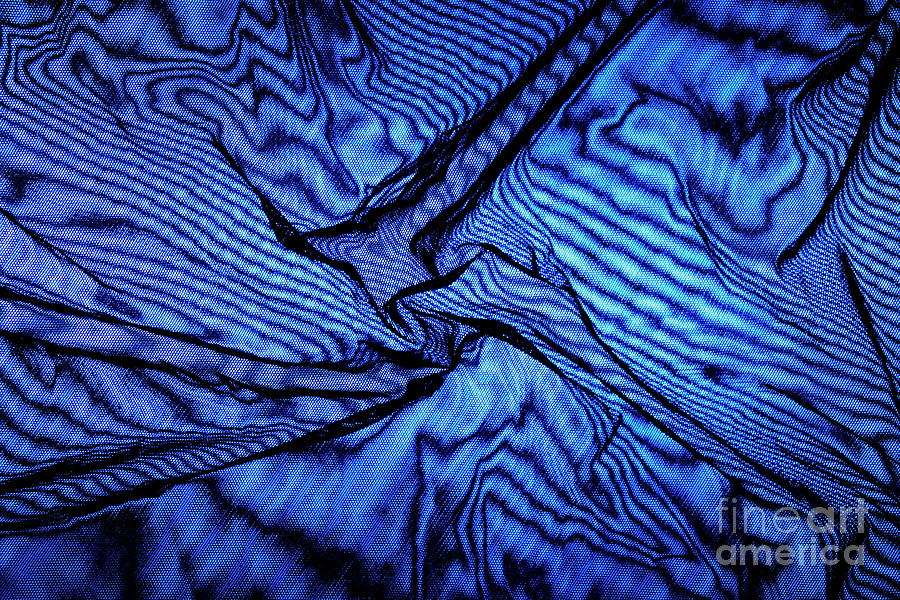
Moire Pattern Photograph by Richard Germain/science Photo Library
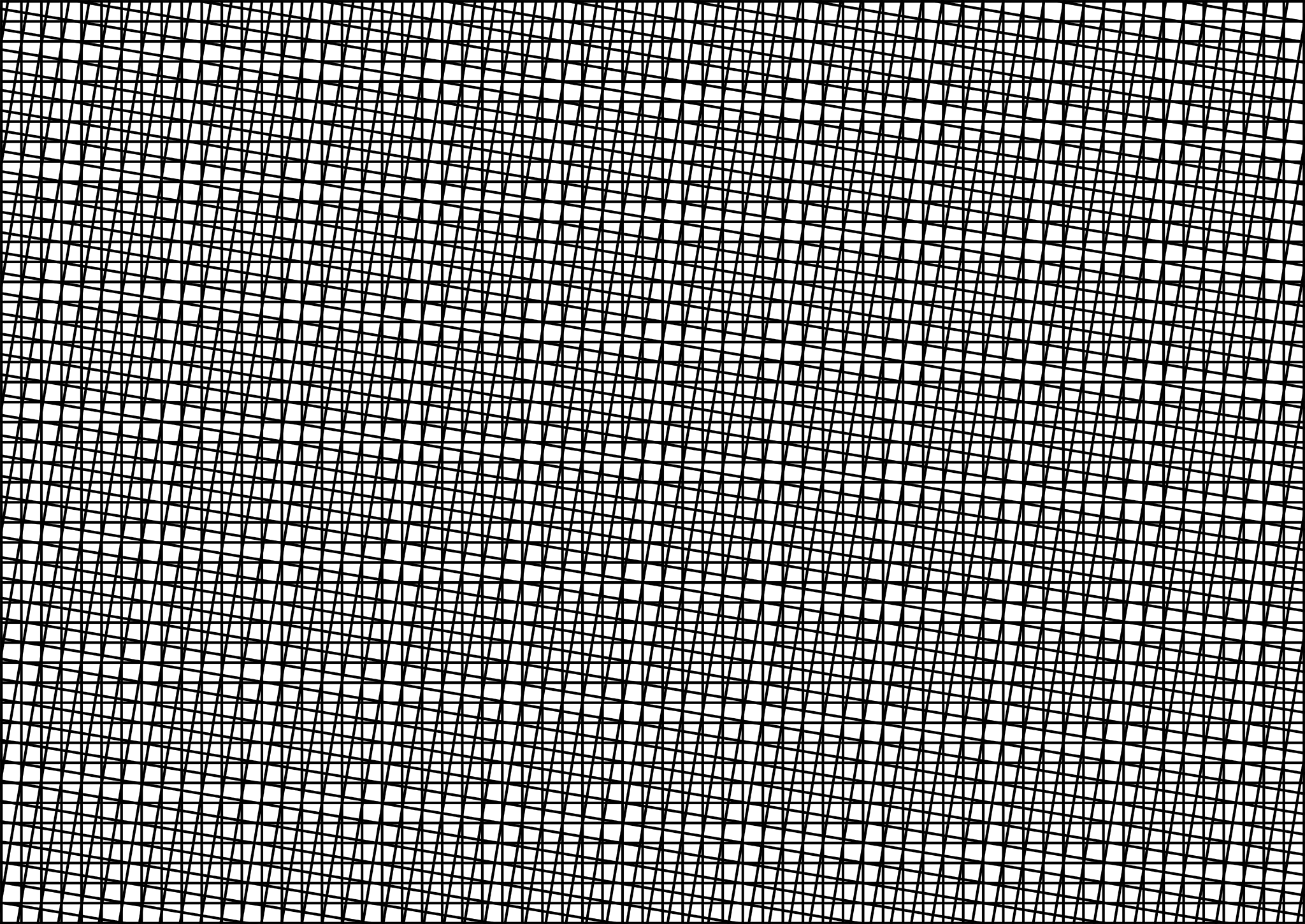
What is Moiré and How it Can Ruin Your Photos
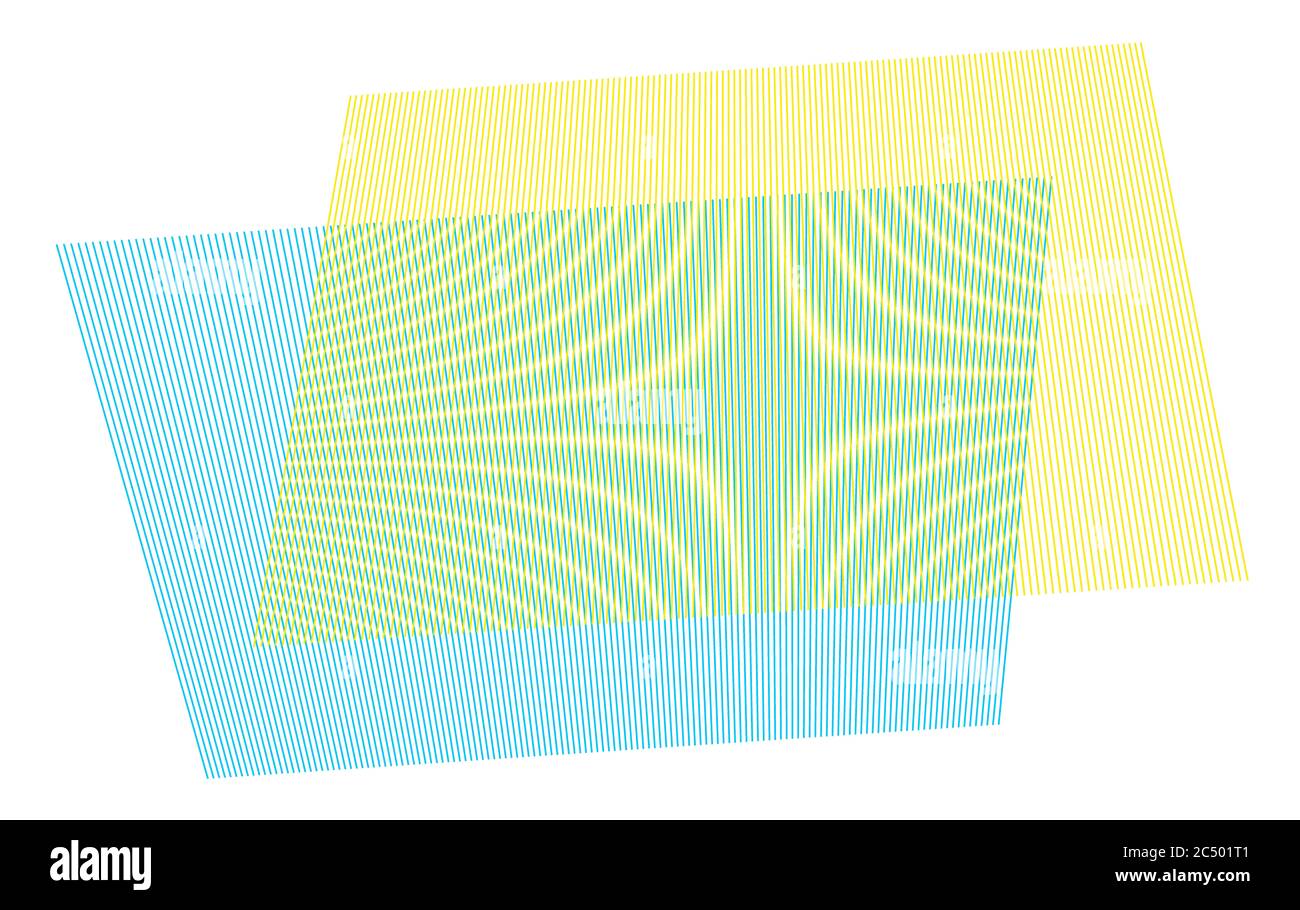
Moiré patterns hires stock photography and images Alamy
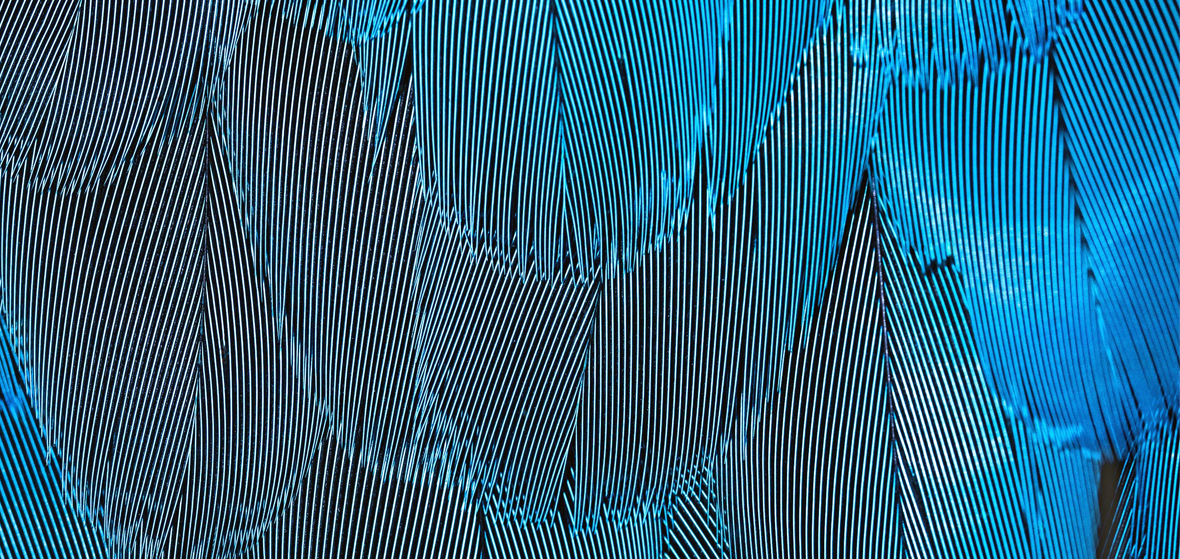
What is the Moiré Effect in Photography & How to Avoid it Focus Camera
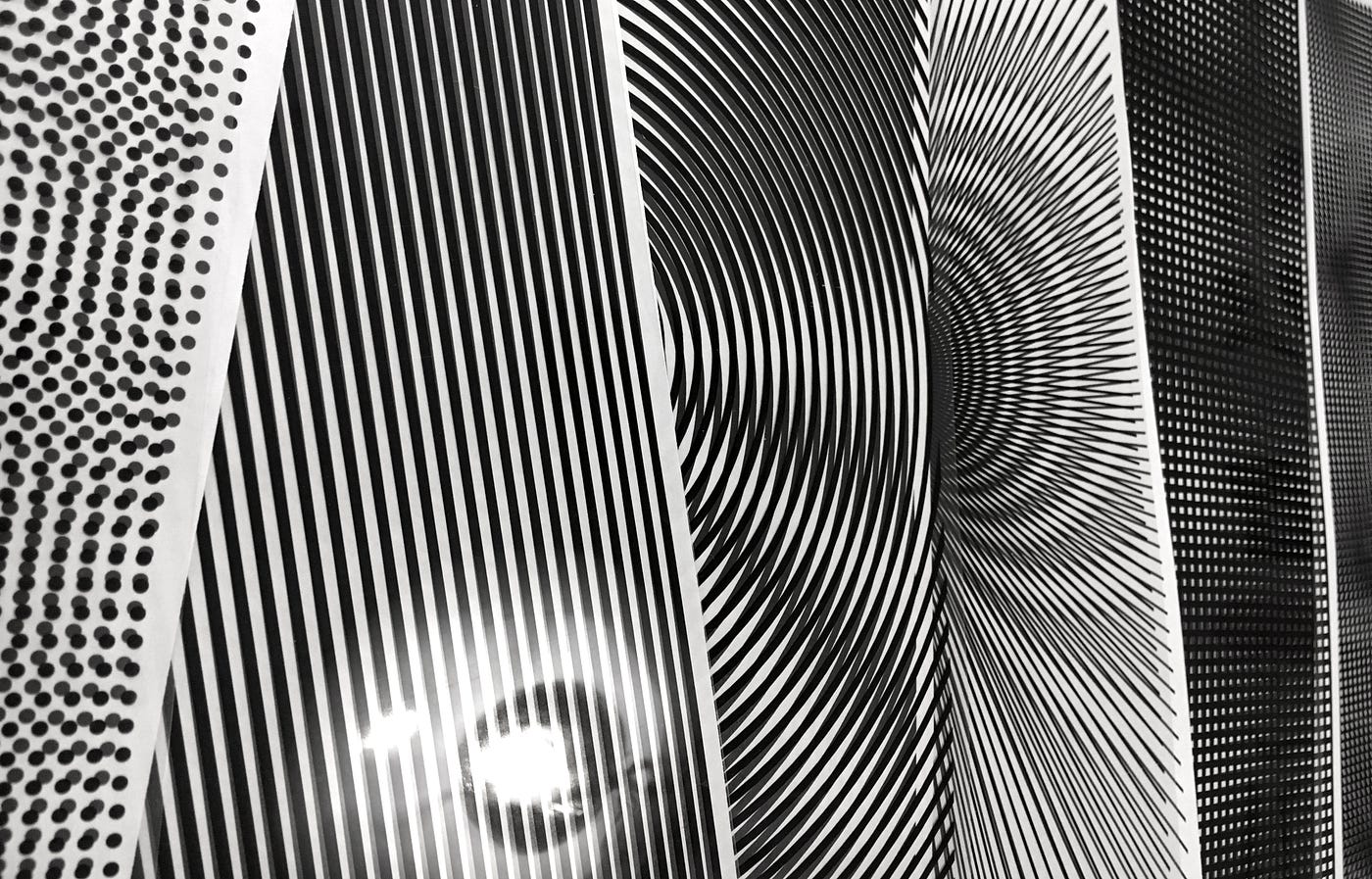
What is Moire in Photography How to Avoid and Remove It
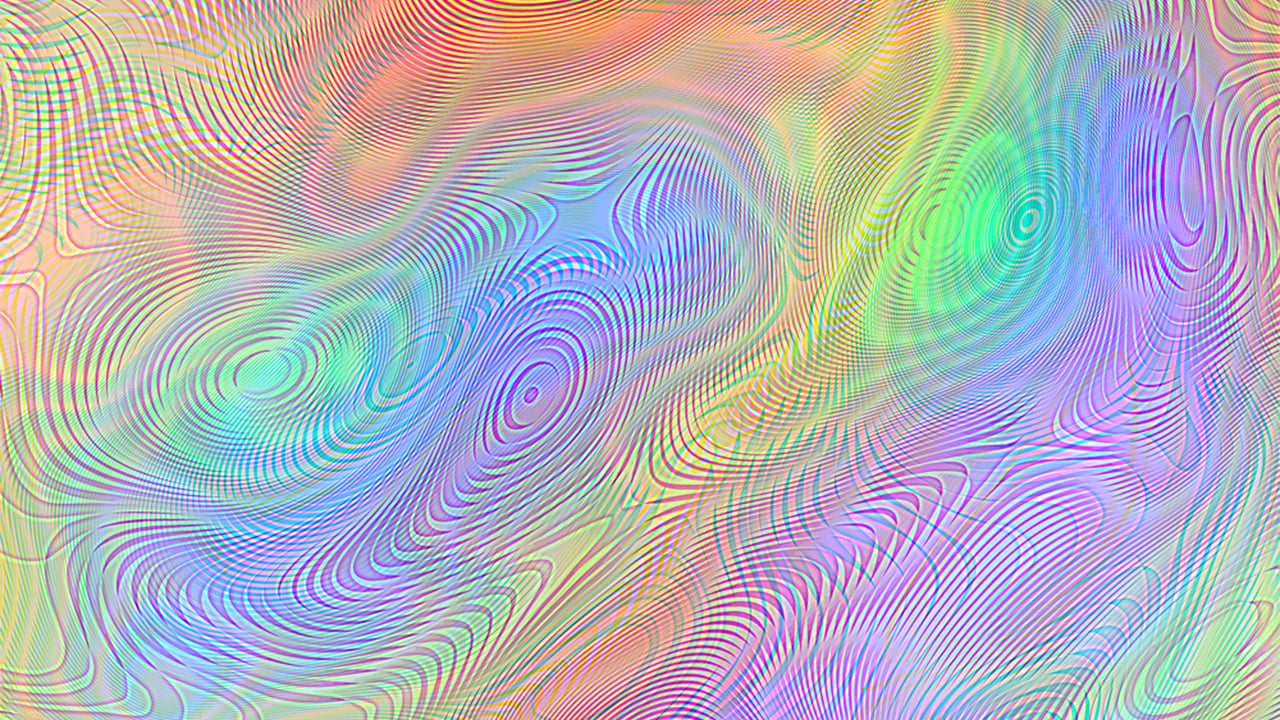
What really causes moiré in cameras?
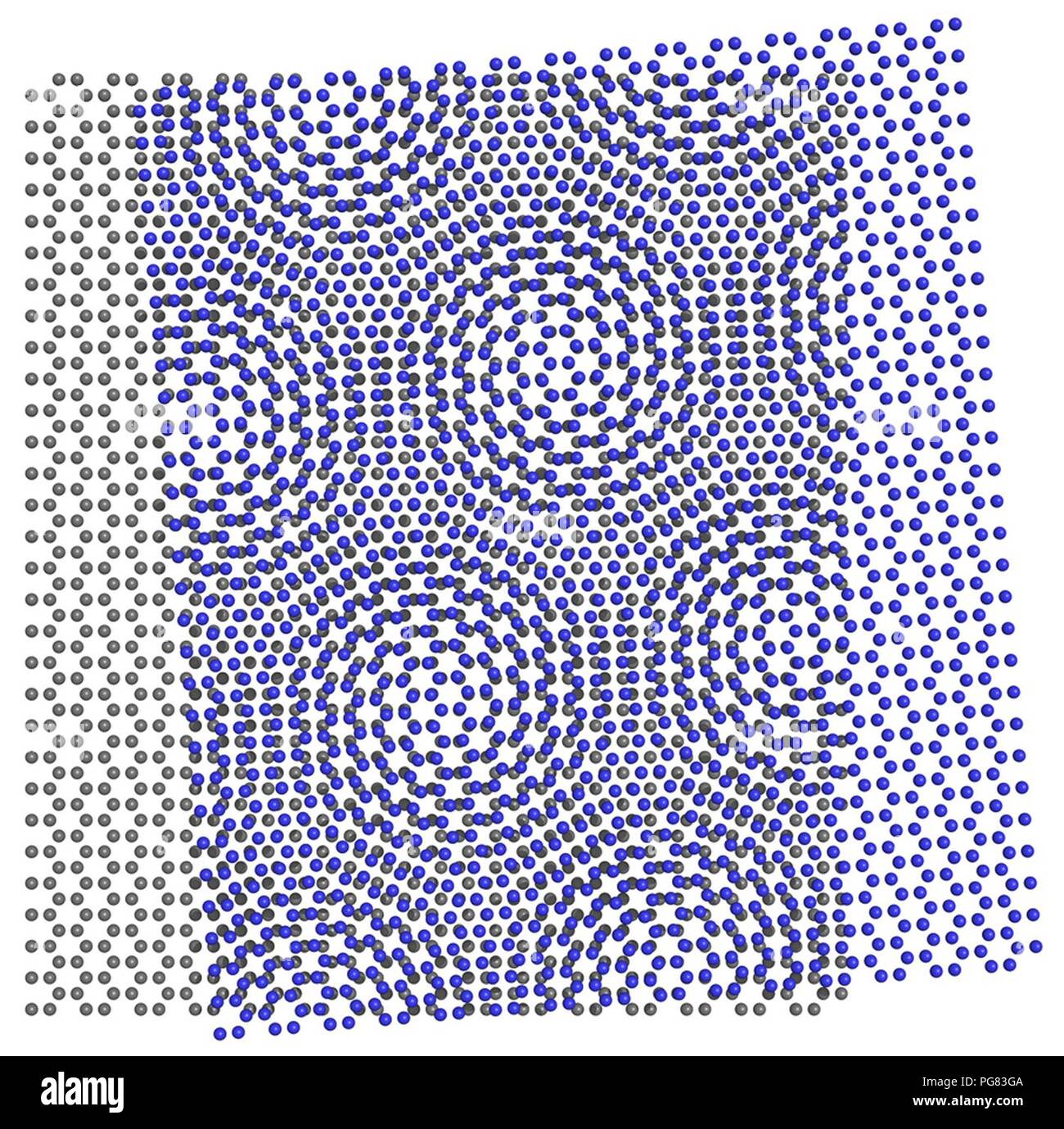
Atomic scale moire patterns Stock Photo Alamy

238 iMoire Interactive Moire Pattern Explorer Geometric art
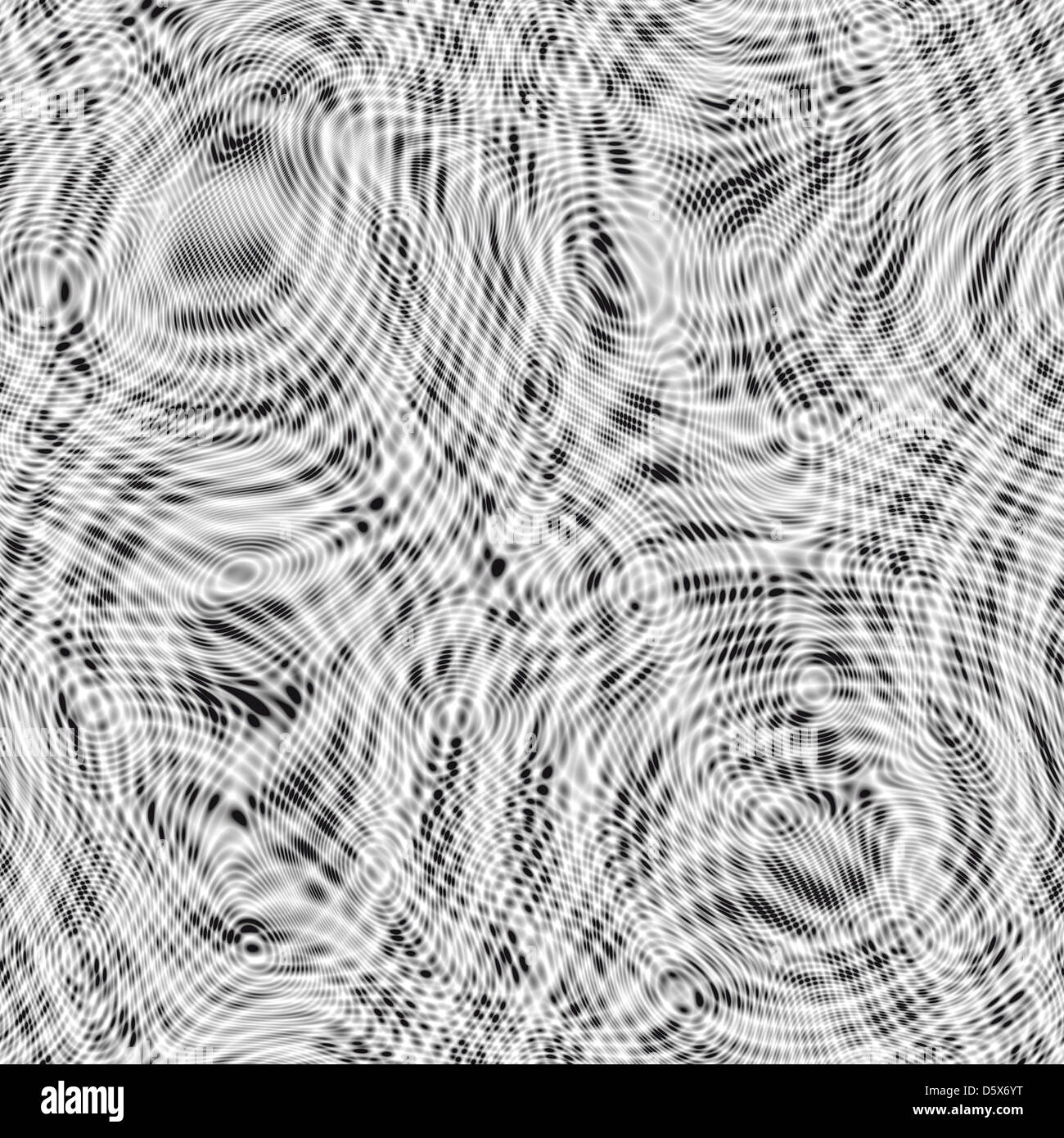
Moire design hires stock photography and images Alamy
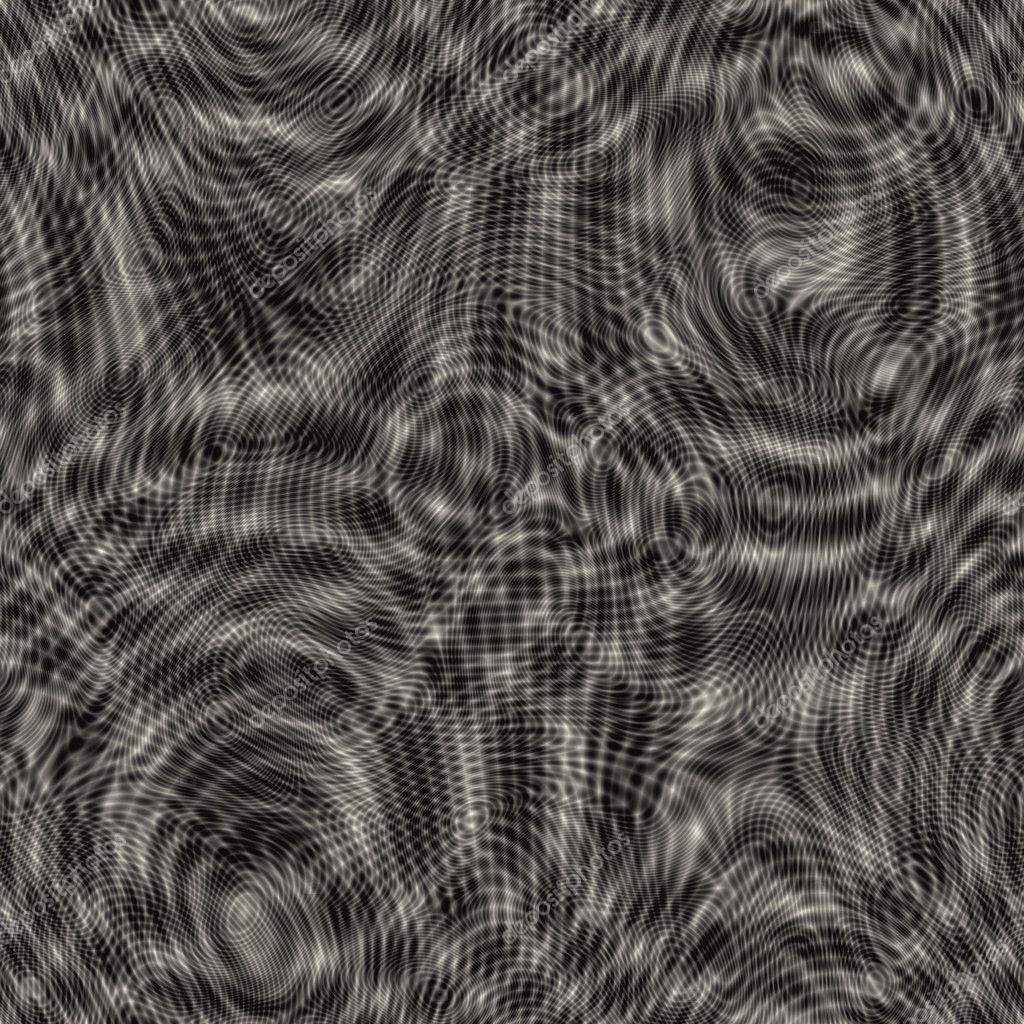
Seamless moire pattern — Stock Photo © gilmanshin 1182229
Web Moire Is A Complex Optical Effect That Creates Weird, Repetitive Lines, Spots, And Colors, Which Appear In Photos That Have A Lot Of Tiny Details Or Tight Patterns.
Our Findings Reveal A Significant Decline In Detector Accuracy, With None Achieving Above 68% On Average.
With Digital Photography, These Artifacts Result When The Frequency Of Detail In A Scene Exceeds The Sensor's Pixel Pitch And Ability To Resolve “Real” Information.
It Is Commonly Seen In Photography And Printing.
Related Post: