
Bad Ball Joint Tire Wear Patterns
Bad Ball Joint Tire Wear Patterns - This type of wear pattern may indicate improper wheel balance, worn ball joints or shock absorbers. But, what causes them and why do they appear on the tire tread? Cupped tires usually indicate a bad suspension. Web one of the most common symptoms of a bad ball joint is clunking noises coming from the vehicle’s front suspension. When the ball joint is faulty, the wheel moves freely on the axles, and they may slant. Web inner tire wear is usually caused by poor alignment. Web bad ball joints can lead to abnormal wearing of your tires. However, it’s also possible that your wheels need to be aligned. Web outer tire wear could be related to the wrong tire pressure, which is an easy fix. When neglected for too long, certain tire wear problems can lead to hydroplaning, blowouts, less efficient braking, spinouts, and so much more. Web an imbalance in tire wear, particularly on the front tires, can be another clue that your ball joints are failing. It might be a bad ball joint. Web inspecting your tires, you may see a series of cupped wearing patterns on one side of the tire. Web one of the most common symptoms associated with excessively worn rear ball joints is a clunking noise coming from the affected ball joint. Web defective ball joints can show up in a number of ways. If you think you have a bad tie rod, make sure to get it replaced as soon as possible. Depending on the tilting angle, the lousy ball joints can either cause inner or outer tire wear. You can also see wear on the center because the tires are overinflated or wear on the edges where the tires are underinflated. Cupped tires usually indicate a bad suspension. An alignment adjustment known as camber angle is the most common cause.other potential causes are incorrect toe angle, worn suspension components such as shock absorbers, tie rod wear, or worn ball joints. As the part ages and wears, it makes the wheels point slightly outward, meaning the toe setting of the wheel alignment is out. Web monitoring your tires‘ wear patterns helps promote safety, maximize tire lifespan, and avoid costly repairs or replacements from letting issues go unresolved. This wear can be caused by a combination of the common problems that cause. Web bad ball joints can lead to abnormal wearing of your tires. Web feeling cabin vibrations while driving? Excessively worn ball joints can also make a clunking noise which is caused by the stud banging into the socket. Web monitoring your tires‘ wear patterns helps promote safety, maximize tire lifespan, and avoid costly repairs or replacements from letting issues go. This usually indicates that the components cannot properly support the suspension, resulting in rattling and other odd noises. An alignment adjustment known as camber angle is the most common cause.other potential causes are incorrect toe angle, worn suspension components such as shock absorbers, tie rod wear, or worn ball joints. As ball joints wear, this can hamper your ability to. Other problems that may lead to tire cupping: Well, the short answer is that there are multiple reasons. When a ball joint begins to wear out, it will become loose in its socket and clunk or rattle when force is placed upon it. As ball joints wear out they become loose in the socket and rattle, squeak, and sometimes even. An alignment adjustment known as camber angle is the most common cause.other potential causes are incorrect toe angle, worn suspension components such as shock absorbers, tie rod wear, or worn ball joints. When a ball joint is damaged or worn, it can alter the alignment of your wheels. Some of the most common tire wear patterns include. Common symptoms of. When a ball joint is damaged or worn, it can alter the alignment of your wheels. Web tire wear patterns can tell you a lot about the health of your vehicle — from poor wheel alignment and tire pressure to worn shocks and struts. However, it’s also possible that your wheels need to be aligned. Explore a few ball joint. Ball joints give the pivoting movement for a smoother ride. A ball joint’s lubrication can also dry out. One of the most noticeable signs of uneven tire wear is when the inner or outer edges of the tire tread wear down faster than the rest of the tread. Web worn out steering components, such as a loose ball joint, worn. It can be both disheartening and dangerous when your new tires start developing uneven wear patterns. Web bad ball joints can lead to abnormal wearing of your tires. As ball joints wear out they become loose in the socket and rattle, squeak, and sometimes even knock as the suspension travels up and down over the road. One of the more. Web feeling cabin vibrations while driving? Will bad ball joints cause tire wear? Other problems that may lead to tire cupping: It can also be the result of broken belts within your tire. Web inspecting your tires, you may see a series of cupped wearing patterns on one side of the tire. Is it bad to drive on cupped tires? When a ball joint is damaged or worn, it can alter the alignment of your wheels. As ball joints wear out they become loose in the socket and rattle, squeak, and sometimes even knock as the suspension travels up and down over the road. It can also be the result of broken. An alignment adjustment known as camber angle is the most common cause.other potential causes are incorrect toe angle, worn suspension components such as shock absorbers, tie rod wear, or worn ball joints. Web one of the most common symptoms associated with excessively worn rear ball joints is a clunking noise coming from the affected ball joint. Excessively worn ball joints can also make a clunking noise which is caused by the stud banging into the socket. Web tire wear patterns can tell you a lot about the health of your vehicle — from poor wheel alignment and tire pressure to worn shocks and struts. You can also see wear on the center because the tires are overinflated or wear on the edges where the tires are underinflated. When neglected for too long, certain tire wear problems can lead to hydroplaning, blowouts, less efficient braking, spinouts, and so much more. When a ball joint begins to wear out, it will become loose in its socket and clunk or rattle when force is placed upon it. This type of wear pattern may indicate improper wheel balance, worn ball joints or shock absorbers. Web patchy wear is an uneven tire wear pattern that is inconsistent across the width and circumference of the tire. These tread formations both shorten the tire's service life and ruin its performing capabilities. This will allow road water to get inside the ball joint and will eventually lead to rust. As with other suspension issues, you may notice uneven tire wear and pulling to one side as you drive. It can be both disheartening and dangerous when your new tires start developing uneven wear patterns. Inner or outer shoulder wear: Web worn out steering components, such as a loose ball joint, worn out tie rod end, or excessive play in the rack and pinion mean that the tires aren’t held fast at the angle they should be at. Cupped tires usually indicate a bad suspension.
How to Check if a Lower Ball Joint is Bad /Suspension Noises & Tire

Diagnosing Car Tire Wear Patterns AxleAddict

Diagnosing Car Tire Wear Patterns AxleAddict
Bad tire wear! Ball joint? Wildcat Forum
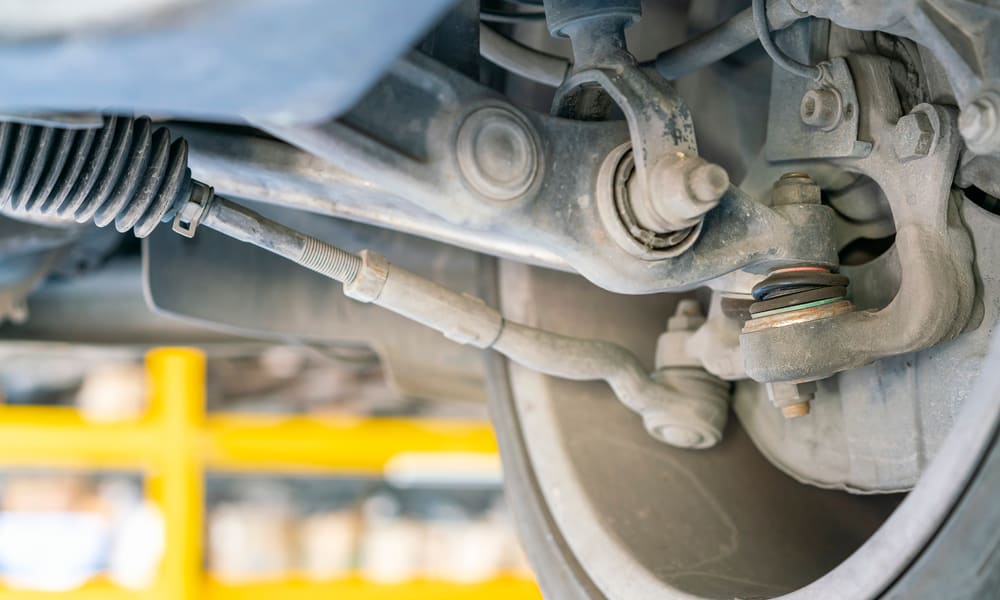
4 Causes of Inner Tire Wear How to fix?
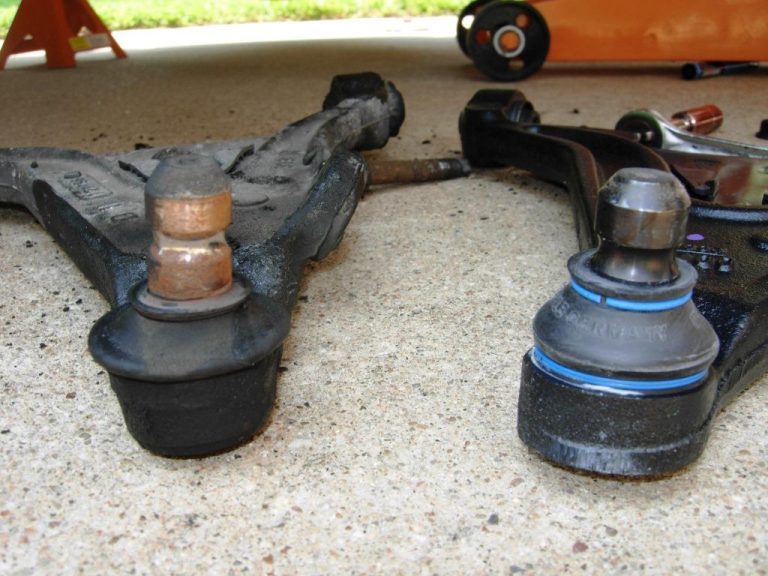
wornballjoint Tire Reviews, Buying Guide & Interesting Facts
![Can Bad Ball Joints Cause Uneven Tire Wear? [3 Key SYMPTOMS] Tire Fever](https://tirefever.com/wp-content/uploads/2023/02/Can-Bad-Ball-Joints-Cause-Tire-Wear.jpg)
Can Bad Ball Joints Cause Uneven Tire Wear? [3 Key SYMPTOMS] Tire Fever

How to Check if a Upper Ball joint is Bad / Tire Wear & Suspension
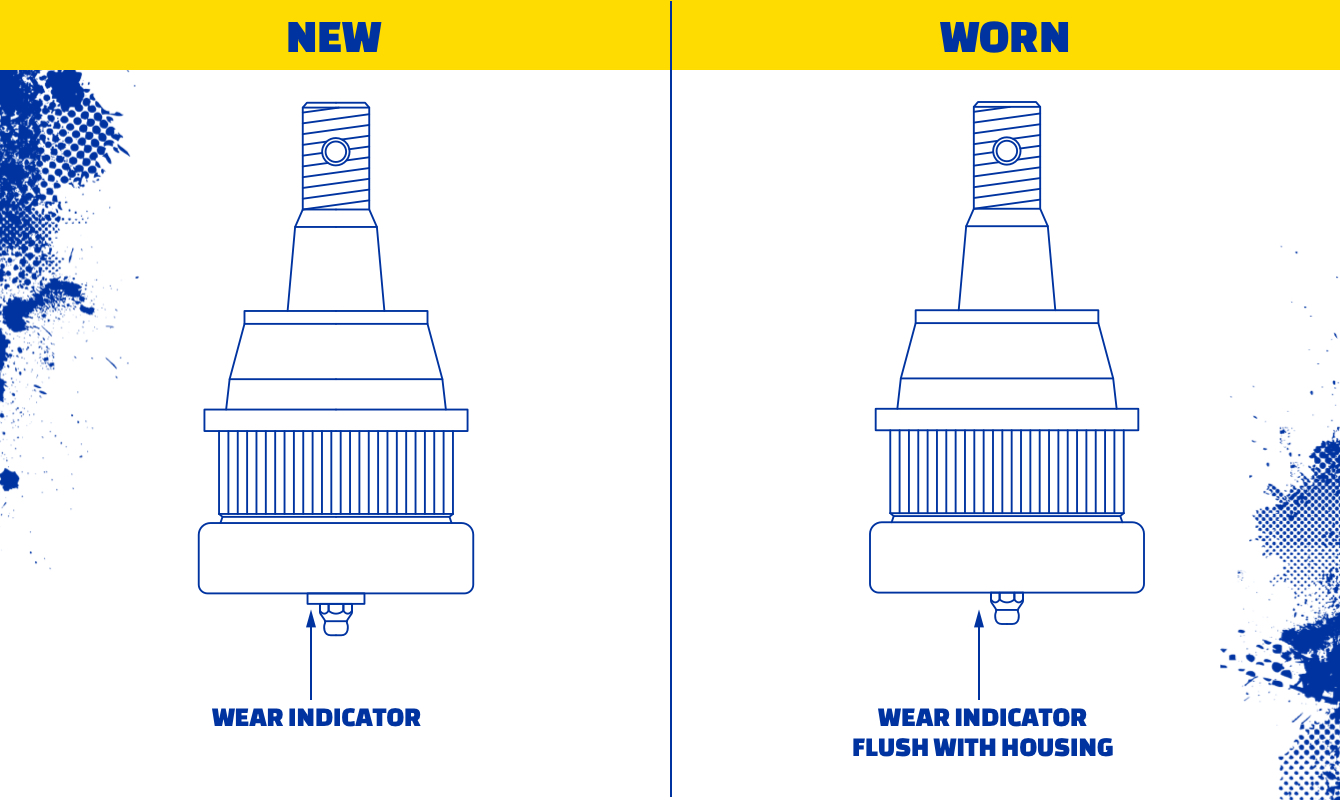
Symptoms of Bad Ball Joints MOOG Parts

Bad Ball Joints? Uneven outer tire wear. r/MechanicAdvice
If You Think You Have A Bad Tie Rod, Make Sure To Get It Replaced As Soon As Possible.
A Ball Joint’s Lubrication Can Also Dry Out.
Web Tires — Uneven Tire Wear May Be A Sign That Your Ball Joints Are Wearing Out.
As Ball Joints Wear Out They Become Loose In The Socket And Rattle, Squeak, And Sometimes Even Knock As The Suspension Travels Up And Down Over The Road.
Related Post: