
1920S Linoleum Patterns
1920S Linoleum Patterns - Web step back in time with these vibrant and nostalgic oilcloth and linoleum designs from the 1920s. And now, revived in 2020! Over the years, hundreds of variations appeared and won the heart of real estate developers and interior designers. First invented by frederick walton in 1860, linoleum is oxidized linseed oil mixed with ground cork dust, gums, and pigments. My son’s high school, which was built in 1920, still has a number of areas with the original linoleum floors. Web watch this story for updates on the pattern’s availability nationwide — armstrong flooring has promised to keep us updated. Web discover timeless flooring options for a 1920s kitchen to achieve a classic and authentic look. See more ideas about linoleum, vintage house, linoleum flooring. Web linoleum was produced in an array of colors and patterns, including mosaics, tiles, marbles, and carpet patterns. The modernist design is unique and strikingly complex for a small residential room. But modern manufacturing is creating brighter color combos as well as more neutral tones closer to stone, tile, and wood. Web linoleum was produced in an array of colors and patterns, including mosaics, tiles, marbles, and carpet patterns. During the 1920s, this was a very popular floor covering because it was durable, low maintenance and could be cut. So there you have it: There are vintage lineoleum kitchen floors that were installed a half a century ago, still in use today. Many older people who remember linoleum are probably thinking. The perforated holes are a shame, but should be fixable depending on how well you choose to color match. I'd definitely save it if you can. Web linoleum in a pattern that was pretty and servicable. Web this linoleum pattern looks more 1930s or 1940s to me. Web check out our vintage linoleum flooring selection for the very best in unique or custom, handmade pieces from our floor & rugs shops. Web this linoleum pattern looks more 1930s or 1940s to me. It's not original, but it is very old. Web old linoleum is a major source of asbestos. Abstract geometric patterns like this didn't exist yet. Over the years, hundreds of variations appeared and won the heart of real estate developers and interior designers. Web discover timeless flooring options for a 1920s kitchen to achieve a classic and authentic look. Web a “vegetable motif” pattern, geometric design, and a kitchen design using armstrong linoleum flooring. There are vintage lineoleum kitchen floors that were installed a half. First invented by frederick walton in 1860, linoleum is oxidized linseed oil mixed with ground cork dust, gums, and pigments. Web finding the right historic floor tile patterns for your vintage bathroom remodel is tough. See more ideas about linoleum, vintage house, linoleum flooring. Web old linoleum is a major source of asbestos. Web linoleum is a soft, flexible floor. Web this linoleum pattern looks more 1930s or 1940s to me. Ripping it up can release untold numbers of microscopic pieces of friable asbestos into the air. And now, revived in 2020! Subsequent tests did not find asbestos in this floor sample. Web linoleum is a soft, flexible floor covering that was produced and installed beginning in the 1800s. Web our photo illustrates sheet flooring uncovered by reader jh in a 1920's apartment. But modern manufacturing is creating brighter color combos as well as more neutral tones closer to stone, tile, and wood. Web linoleum is a soft, flexible floor covering that was produced and installed beginning in the 1800s. See more ideas about linoleum, vintage house, linoleum flooring.. Web linoleum in a pattern that was pretty and servicable. A similar product known as congoleum became popular in the 1920s and was felt based, less hard wearing but three times cheaper! Abstract geometric patterns like this didn't exist yet in the 1920s, at least not on flooring in normal houses, and certainly not in 1920 when your house was. Web vintage oilcloths and linoleum designs from 1920 catalogue #vintagelinoleum #linoleum #florallinoleum My son’s high school, which was built in 1920, still has a number of areas with the original linoleum floors. Web step back in time with these vibrant and nostalgic oilcloth and linoleum designs from the 1920s. And now, revived in 2020! Web linoleum is a soft, flexible. First invented by frederick walton in 1860, linoleum is oxidized linseed oil mixed with ground cork dust, gums, and pigments. Many older people who remember linoleum are probably thinking. And now, revived in 2020! Here's some awesome patterns that are still available today. Web this linoleum pattern looks more 1930s or 1940s to me. Vintage linoleum comes in a wide range of patterns, colors, and styles, allowing you to find the perfect match for your interior decor. Ripping it up can release untold numbers of microscopic pieces of friable asbestos into the air. Here's some awesome patterns that are still available today. Linoleum was the first modern, democratic floor covering. Web our range of. But modern manufacturing is creating brighter color combos as well as more neutral tones closer to stone, tile, and wood. Floor covering from the past. Abstract geometric patterns like this didn't exist yet in the 1920s, at least not on flooring in normal houses, and certainly not in 1920 when your house was built. My son’s high school, which was. Web our photo illustrates sheet flooring uncovered by reader jh in a 1920's apartment. They have authentic linoleum rugs in a huge variety of styles and patterns, but they are very pricey too. Linoleum was the first modern, democratic floor covering. There are vintage lineoleum kitchen floors that were installed a half a century ago, still in use today. The perforated holes are a shame, but should be fixable depending on how well you choose to color match. Web linoleum in a pattern that was pretty and servicable. And now, revived in 2020! Web vintage oilcloths and linoleum designs from 1920 catalogue #vintagelinoleum #linoleum #florallinoleum Web linoleum was produced in an array of colors and patterns, including mosaics, tiles, marbles, and carpet patterns. Floor covering from the past. Subsequent tests did not find asbestos in this floor sample. Web watch this story for updates on the pattern’s availability nationwide — armstrong flooring has promised to keep us updated. Web our range of antique floors from the 1920's and 1930's embracing art deco, mosaic themes and pure geometry. Jh was worried that this flooring might contain asbestos. Web step back in time with these vibrant and nostalgic oilcloth and linoleum designs from the 1920s. Ripping it up can release untold numbers of microscopic pieces of friable asbestos into the air.
A 1920's ad for linoleum flooring featuring a breakfast nook Vintage

Vintage Style Linoleum Flooring Patterns
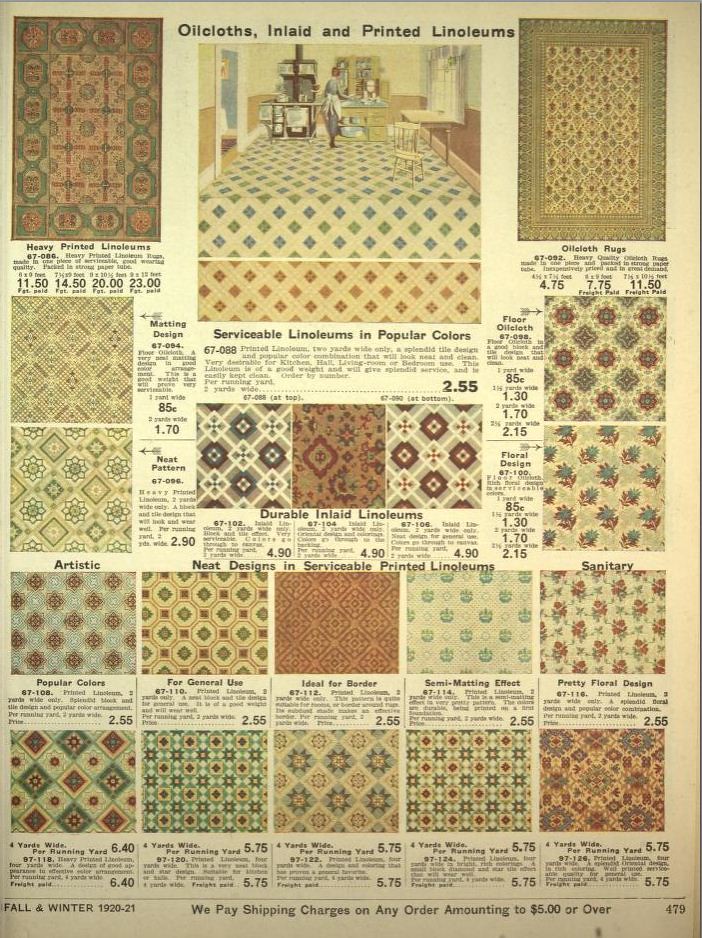
Oilcloths and Linoleum Designs 1920 CharmaineZoe's Marvelous Melange

Vintage 1920 Armstrong Linoleum Pattern Book/Catalog 1920 1822800429

retro vinyl flooring brown flower rug retro lino flooring uk Vintage

Old House Living » Historic Kitchens 1890 to 1920 Design and Development

Stragula 1920s German imitation linoleum catalog Deutsche Linoleum

Pin by Kathy Roscoe Germanotta on vintage linoleum. Victorian
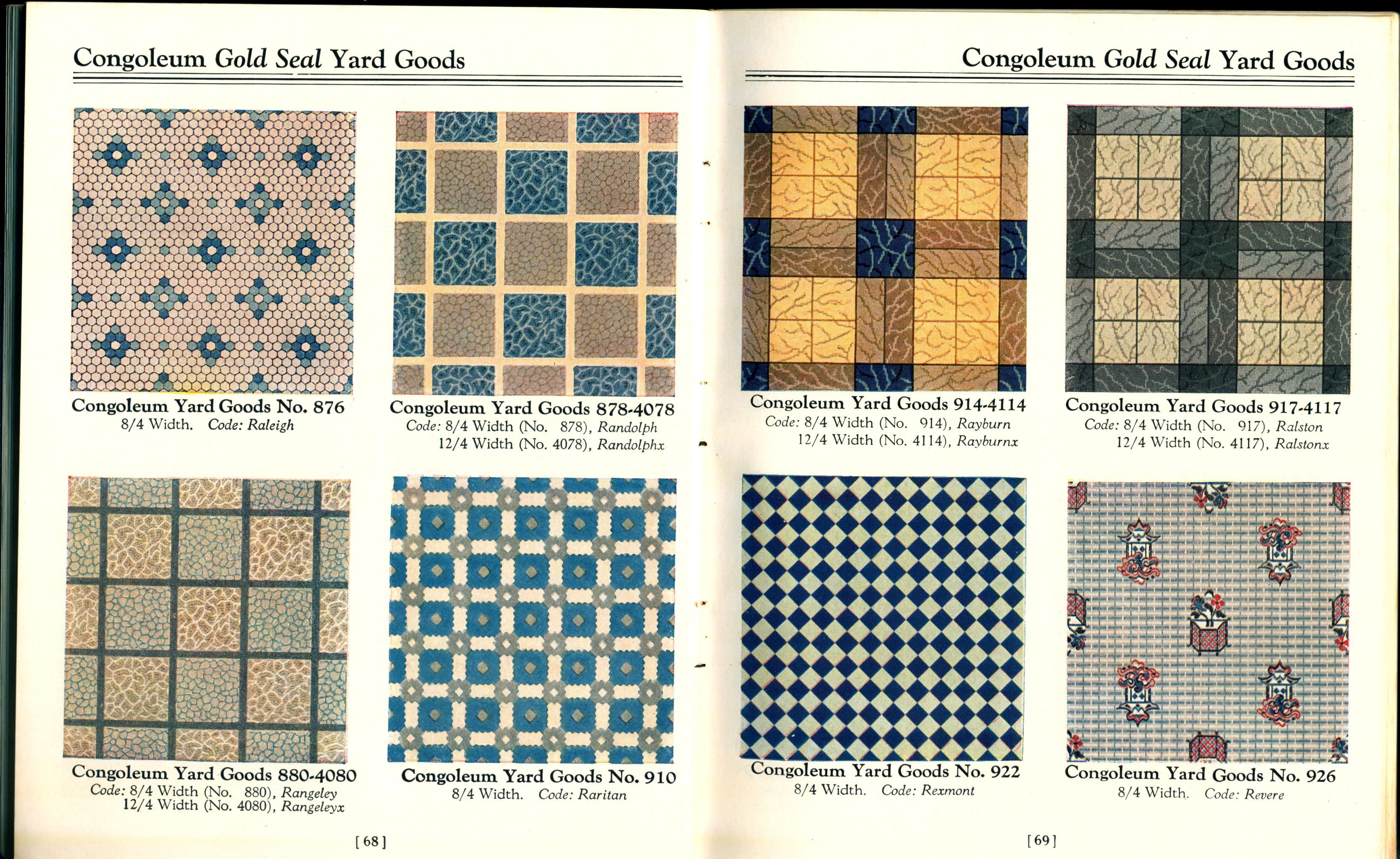
1920s Linoleum

linoleum flooring of 1920 1920 ARMSTRONG LINOLEUM KITCHEN FLOOR TILE
But Modern Manufacturing Is Creating Brighter Color Combos As Well As More Neutral Tones Closer To Stone, Tile, And Wood.
First Invented By Frederick Walton In 1860, Linoleum Is Oxidized Linseed Oil Mixed With Ground Cork Dust, Gums, And Pigments.
Here's Some Awesome Patterns That Are Still Available Today.
The Modernist Design Is Unique And Strikingly Complex For A Small Residential Room.
Related Post: