
1796 Pattern Heavy Cavalry Sword
1796 Pattern Heavy Cavalry Sword - Web the 1796 lcs by windlass is quite nice. The 137 examples survive in the royal collection. Web 1796 pattern waterloo era british heavy cavalry officer's sword in good condition, evidence of action, for sale. Our practice is based on historical sources and contemporary hema practices. Web this 1796 heavy cavalry sword blade is made from tempered high carbon steel. The leather bound grip show signs of age wear however solid with a small mount of leather missing near the hilt. A british pattern 1796 heavy cavalry trooper's sword. Web 221 votes, 11 comments. Web crossroads swords practices medieval and renaissance sword work in west orlando. We focus on rapier, longsword, messer, dagger, and more. The hilt is of steel with a ribbed leather grip. Web the pattern 1796 heavy cavalry sword was the sword used by the british heavy cavalry (lifeguards, royal horse guards, dragoon guards and dragoons), and king's german legion dragoons, through most of the period of the revolutionary and napoleonic wars. A british pattern 1796 heavy cavalry trooper's sword. The sword was made by universal swords of india. Web the 1796 lcs by windlass is quite nice. Web tips to recognize valuable antiques swords and to identify the different swords by their blades, hilt, edge, and fuller and use as military or civilian weapons. Web heavy cavalry officer’s 1796 dress pattern sword with rare steel hilt boat shell guards and olive shaped pommel the grip bound with copper wire. Web this pattern was the service sword of heavy cavalry officers. Web british 1796 heavy cavalry trooper sword by osborn. Web heavy cavalry troopers 1796 sword, period modified by the removal of the inner edge of the disk, the hilt has the wooden grip with the leather covering. The sword was made by universal swords of india. Web the 1796 lcs by windlass is quite nice. Web tips to recognize valuable antiques swords and to identify the different swords by their blades, hilt, edge, and fuller and use as military or civilian weapons. The hilt is of steel with a ribbed leather grip. Regulation pattern 1796 heavy cavalry. Web cavalry spv i, llc. Web in 1796 new patterns of swords for heavy and light cavalry were introduced. This sword with its heavy, straight blade and 'hatchet' point made it wholly unsuitable for either cutting or thrusting. A subreddit for enthusiasts, practitioners, collectors, and investigators of swords… The leather bound grip show signs of age wear however solid with. Web heavy cavalry officer’s 1796 dress pattern sword with rare steel hilt boat shell guards and olive shaped pommel the grip bound with copper wire. The scabbard for this type of sword was made of iron with two suspension rings. Web 1796 pattern waterloo era british heavy cavalry officer's sword in good condition, evidence of action, for sale. Web exact. The scabbard for this type of sword was made of iron with two suspension rings. The 137 examples survive in the royal collection. Our practice is based on historical sources and contemporary hema practices. Web heavy cavalry officer’s 1796 dress pattern sword with rare steel hilt boat shell guards and olive shaped pommel the grip bound with copper wire. Web. A british pattern 1796 heavy cavalry trooper's sword. The leather bound grip show signs of age wear however solid with a small mount of leather missing near the hilt. The hilt is of steel with a ribbed leather grip. Web the 1796 lcs by windlass is quite nice. Our practice is based on historical sources and contemporary hema practices. It had the same blade as the trooper's sword but many officers had their swords manufactured with gilt and blued blades etched with fine decoration. Web this 1796 heavy cavalry sword blade is made from tempered high carbon steel. Web this was the sword of the british heavy cavalry during the greater part of the napoleonic wars. Web the british. Web this pattern of sword, with 35 inch long blade, was approved for the use of other ranks of british heavy cavalry on 27th june 1796 and was in use up to about 1850. 112k subscribers in the swords community. The scabbard for this type of sword was made of iron with two suspension rings. Web cavalry spv i, llc.. It was directly copied from the austrian pallasch 1769 heavy cavalry sword. Web this replica of the famously robust 1796 british heavy cavalry sword has a tempered blade forged from high carbon steel which is solidly mounted into a steel hilt with a durable ribbed grip of black leather. Web 1796 pattern waterloo era british heavy cavalry officer's sword in. It had the same blade as the trooper's sword but many officers had their swords manufactured with gilt and blued blades etched with fine decoration. Web cavalry spv i, llc. Web the pattern 1796 heavy cavalry sword was the sword used by the british heavy cavalry (lifeguards, royal horse guards, dragoon guards and dragoons), and king's german legion dragoons, through. Web 1796 pattern waterloo era british heavy cavalry officer's sword in good condition, evidence of action, for sale. Web cavalry spv i, llc. Straight blade with inspection stamps and spear point and is complete. Web this pattern of sword, with 35 inch long blade, was approved for the use of other ranks of british heavy cavalry on 27th june 1796. In practice, it was common for the 'hatchet' edge to. Straight blade with inspection stamps and spear point and is complete. Web the 1796 heavy cavalry sword was based on the austrian 1775 pattern sword and was used by british heavy cavalry regiments such as the dragoon guards. Web the pattern 1796 heavy cavalry sword was the sword used by the british heavy cavalry (lifeguards, royal horse guards, dragoon guards and dragoons), and king's german legion dragoons, through most of the period of the revolutionary and napoleonic wars. The bi convex blade with no fullers tappers for half of it’s length to a spear point. Web this was the sword of the british heavy cavalry during the greater part of the napoleonic wars. A subreddit for enthusiasts, practitioners, collectors, and investigators of swords… The scabbard is of steel with ring mounts. The large blade had incredible cutting power but was cumbersome to use. Web exact replacement grips for most cw swords ames, roby, horstmann, etc. It had the same blade as the trooper's sword but many officers had their swords manufactured with gilt and blued blades etched with fine decoration. It was based on an earlier austrian design. Web this 1796 heavy cavalry sword blade is made from tempered high carbon steel. Web 1796 pattern waterloo era british heavy cavalry officer's sword in good condition, evidence of action, for sale. The sword was made by universal swords of india. The 137 examples survive in the royal collection.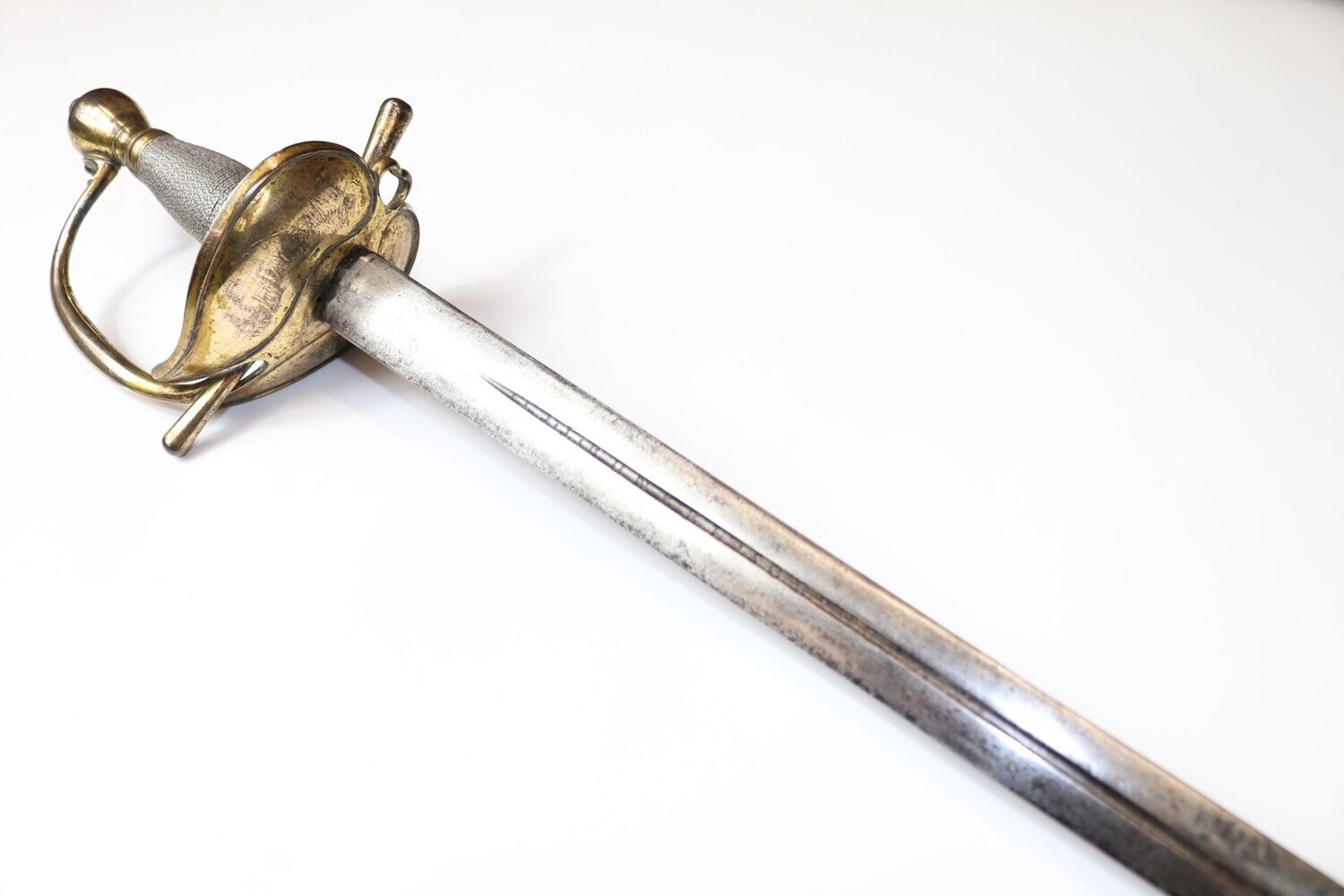
1796 Heavy Cavalry Officer's Full Dress Sword by J. J. Runkel
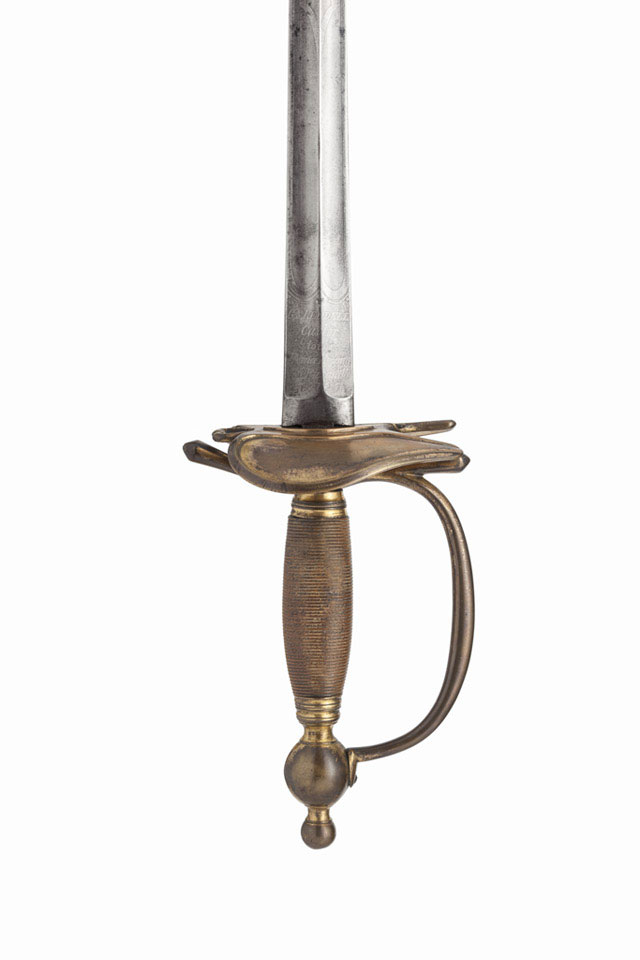
Pattern 1796, Heavy Cavalry officer's dress sword, 1814 (c) Online
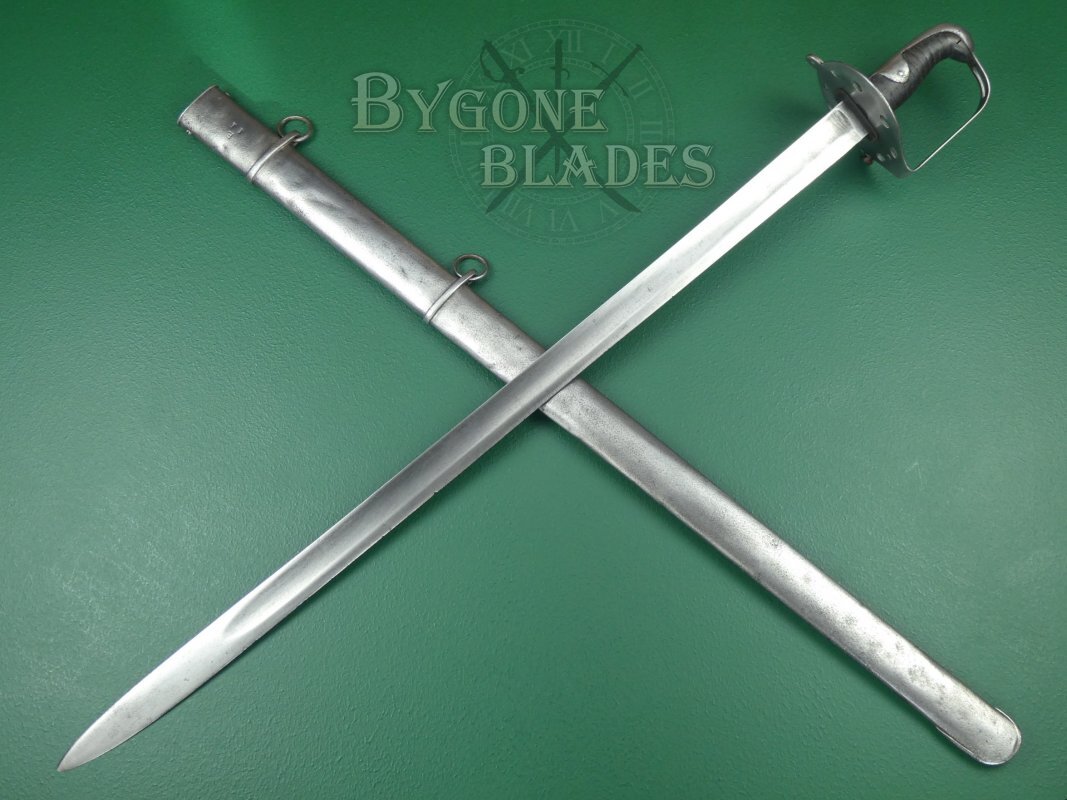
British 1796 Heavy Cavalry Sword. T. Craven. 2208006 Bygone Blades
.jpg?mode=max)
A BRITISH PATTERN 1796 HEAVY CAVALRY TROOPER'S SWORD

British Heavy Cavalry Sword 1796 Pattern Buy Military Swords from
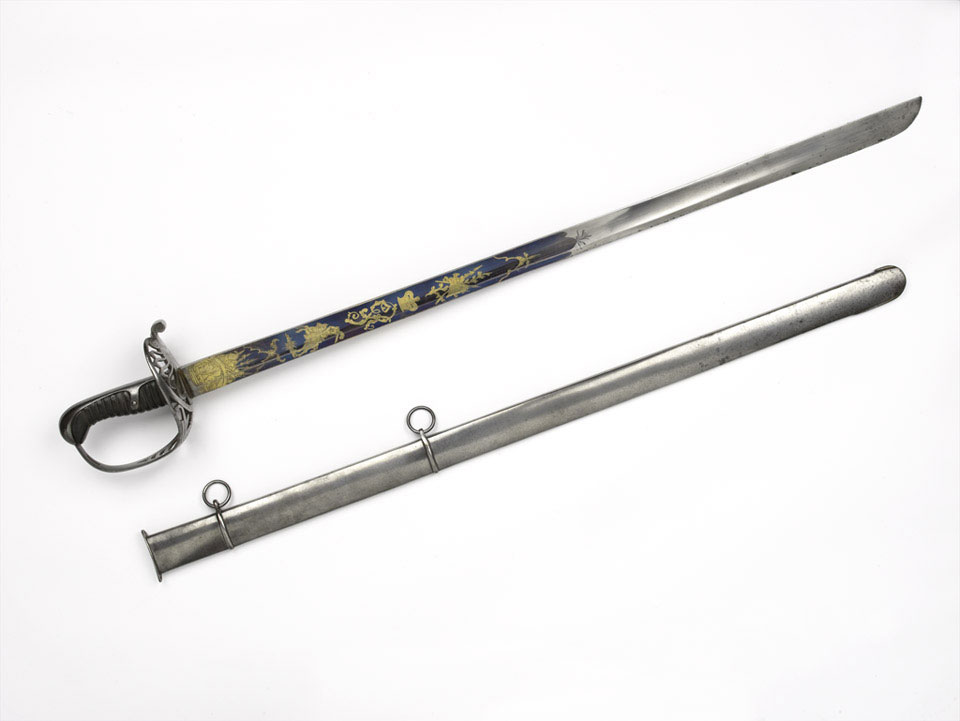
Pattern 1796, Heavy Cavalry Officer's undress sword, 1810 (c) Online

Sold at Auction 1796 PATTERN HEAVY CAVALRY TROOPERS SWORD
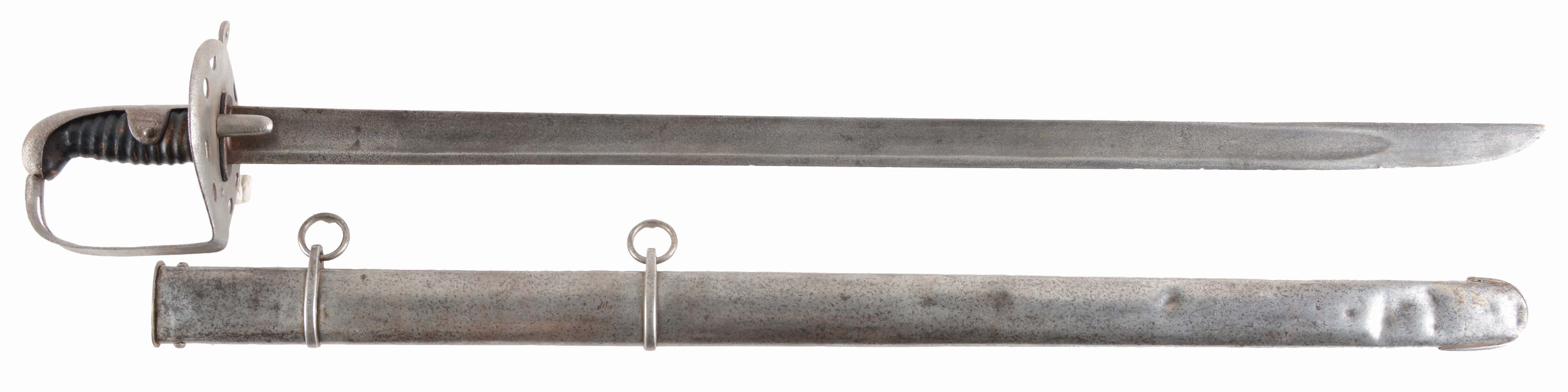
A Scarce and Desirable Pattern 1796 British Heavy Cavalry Sword, From
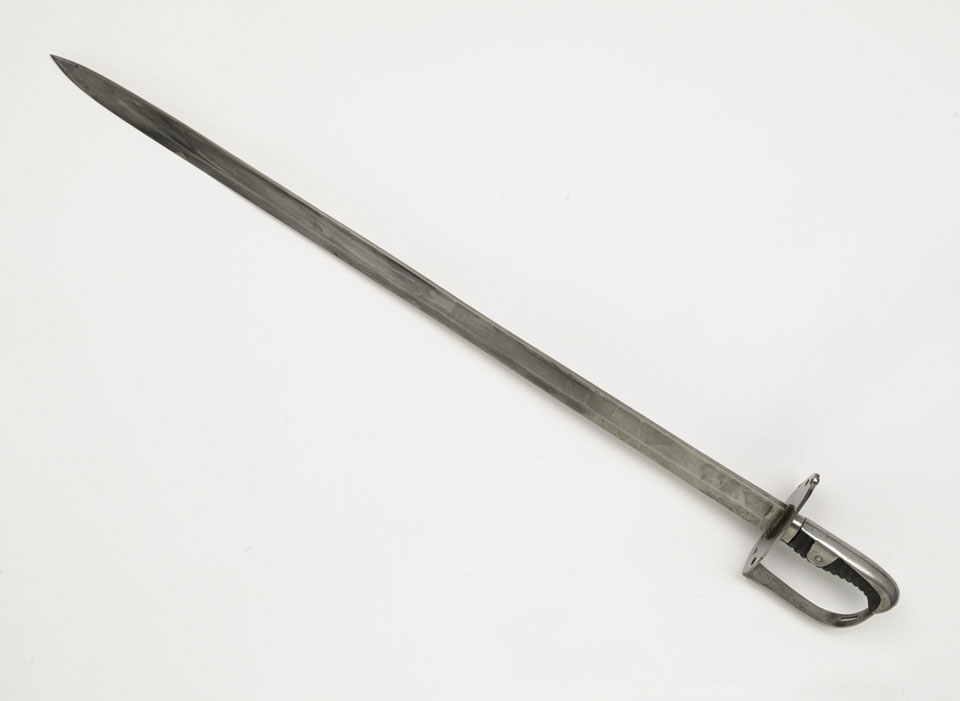
Pattern 1796 Heavy Cavalry Trooper's sword, 1814 (c) Online

1796 Pattern Heavy Cavalry Trooper's Sword
It Was Directly Copied From The Austrian Pallasch 1769 Heavy Cavalry Sword.
Web 221 Votes, 11 Comments.
112K Subscribers In The Swords Community.
We Focus On Rapier, Longsword, Messer, Dagger, And More.
Related Post: